
Introduction
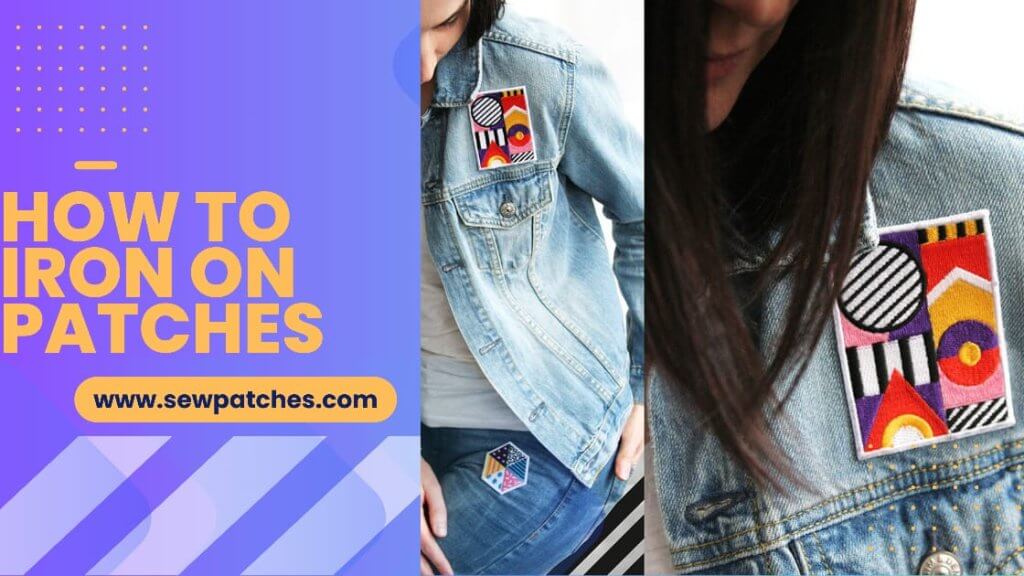
Custom patches are like tiny pieces of art that can add a personal touch to your clothes, bags and accessories. Designed to represent individuality and interests, custom patches are a popular choice for fashion enthusiasts and businesses. Whether you want to express your favorite hobby or showcase team spirit, custom patches are a creative and fun way to make a statement. With various shapes, sizes and designs available, you have a number of options to customize your look with patches.
Convenience is an important aspect to consider when personalizing your clothes or accessories. And that’s where custom iron-on patches step in. Custom iron on patches provide a hassle-free way to personalize your belongings with unique designs. In contrast to traditional sew-on patches, these patches have a simple application technique. These patches come with a heat-activated adhesive backing and can be easily applied with a regular iron. If you want to enhance the look of your denim jacket or give a stylish look to your backpack, customized iron-on patches are a perfect option for customization without the need for sewing skills. In just a few easy steps, you can transform your clothing and accessories with custom iron-on patches that reflect your personal style and character. In this comprehensive guide, we’ll explore everything you need to know about using iron-on patches.
Choosing the right material
Before continuing the application process, it is important to choose the right materials for successful application of iron-on patches. Firstly select high-quality transfer paper that is compatible with your printer and fabric. One should consider factors like color vibrancy, stretch ability and durability. Apart from this the fabric chosen should also be suitable as not all materials can withstand the heat. Fabrics like cotton and polyester-blends work well.
Preparation of design and materials
A good iron-on patch application requires careful preparation of both materials and design. First of all pre-wash the fabric to remove any dirt or oil that could affect application of iron-on patches. Make sure your surface and iron are clean, opting for a hard and flat surface like an ironing board. Get other materials like parchment paper or a pressing cloth. When preparing the design, note that it will be mirrored when transferred so flip it horizontally if needed. Adjust the size and dimensions accordingly, using high-quality printing settings to ensure vibrant colors and also trim any excess white space for a clean look.
Transferring the design
Now that you’ve selected your transfer and prepared your materials, it’s time to transfer your iron-on patch onto the fabric. Firstly, preheat your iron to the recommended temperature for the transfer paper and fabric. Place the fabric on a flat surface and lay the transfer face down on it. Apply firm, even pressure using a hot iron, moving it in a circular motion for 10-15 seconds or as per the transfer instructions. Be sure to apply pressure to all areas of the transfer, paying close attention to the edges and corners. Allow the transfer to cool before gently peeling off the plastic liner or backing paper.
Finishing touches
To enhance the longevity and durability of your custom iron-on patch, consider a few finishing touches. Place a clean cotton cloth over the design and iron it again for 10-15 seconds to set the image further. This step provides extra adhesion and extends the life of the patch. When washing garments with iron-on patches, follow the instructions regarding temperature and drying settings. Store clothing or accessories with iron-on patches flat or rolled to prevent creases or fading.
Tips for overcoming challenges
Even with proper technique, issues may arise while applying custom iron-on patches. Some common challenges that one could face include incomplete transfer, uneven colors or peeling edges. If you face such issues, try adjusting the temperature, pressure, or ironing time. Practice on scrap fabric before applying the custom iron-on patch on final products. Also ensure that the iron is clean, as residue can affect the patch quality. If needed, use a parchment paper between the iron and the patch to protect delicate fabrics or prevent sticking.
Conclusion
In conclusion, with the tips and techniques shared in this guide you can easily apply iron-on patches. Whether you’re adding custom designs to clothing, or accessories, iron-on patches offer endless possibilities for creative expression. Remember to choose the right iron-on patch for your project, prepare your materials properly, and follow the recommended application techniques for best results.
Sew Patches is the go-to destination for those looking to elevate their style and personal expression with custom iron-on patches. With a commitment to customer satisfaction, we offer a seamless experience from design to delivery. To ensure each customer finds the perfect fit according to their needs we offer a wide range of custom patch options including embroidered, PVC, iron-on, and Velcro back patches. What sets us apart is that we create custom patches that not only enhance apparel but also leave a lasting impression. With premium quality materials, affordable pricing, and fast delivery guaranteed within 14 days we at Sew Patches make the process of creating custom iron-on patches quick, easy, and hassle-free.